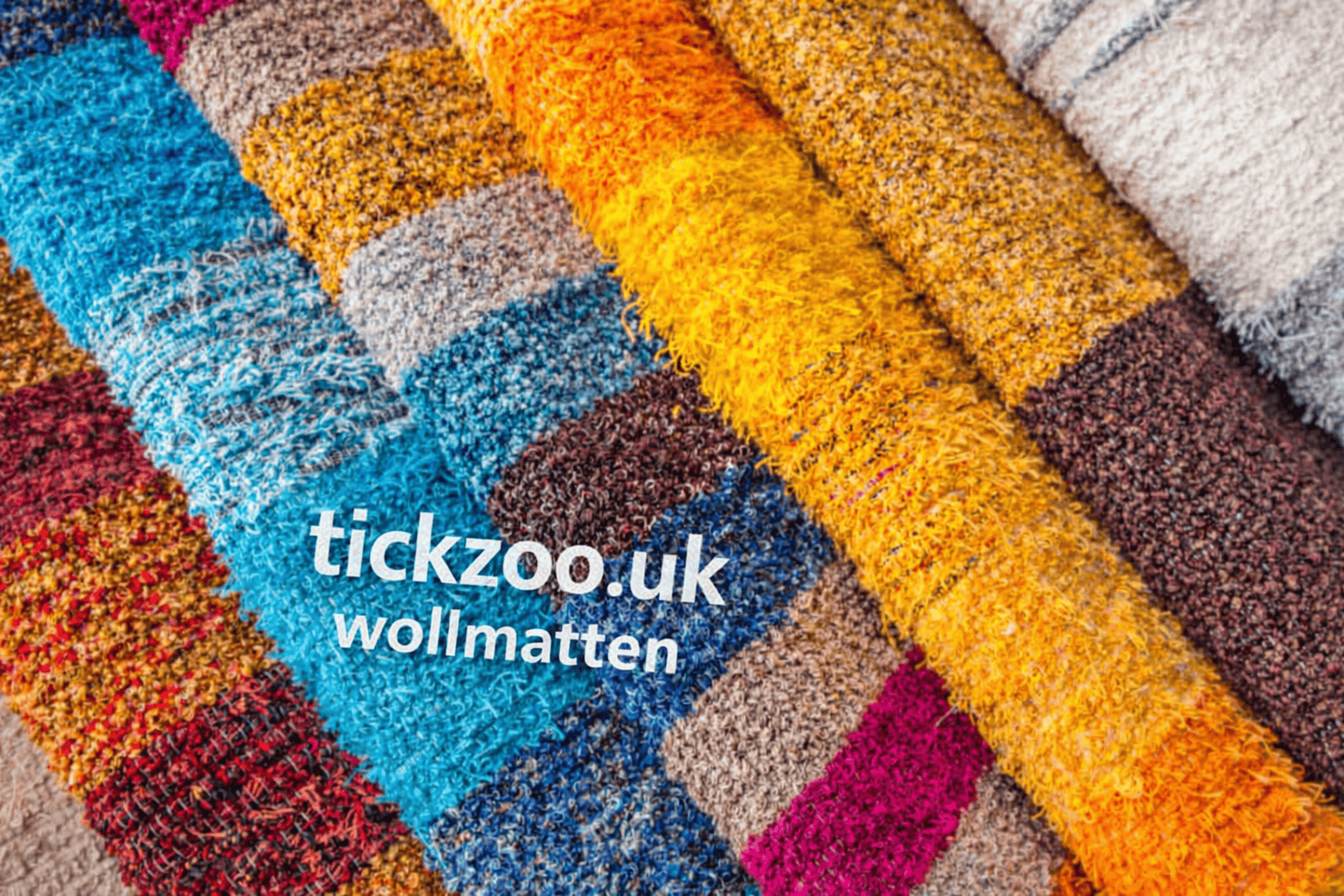
Wollmatten — a term that might be unfamiliar to many — describes wool mats made from natural sheep wool. Combining centuries-old tradition with modern sustainability trends, wollmatten serve practical, environmental, and design purposes in contemporary living. From insulation and moisture regulation to interior design and gardening applications, these natural fiber mats offer a diversity of uses that synthetic alternatives simply can’t match.
1. What Are Wollmatten?
Wollmatten is a German term derived from “Wolle” (wool) and “Matten” (mats). These mats are typically made from sheep’s wool fibers that are felted, woven, or bound into dense sheets or rolls. Historically, wool mats were utilitarian household items — used for warmth, sound control, and floor covering. Today, their applications extend into various industries including sustainable construction, agriculture, interior design, and eco-friendly architecture.
Meaning and Etymology of Wollmatten
The literal translation of wollmatten is simply “wool mats.” Yet, the term carries more than its literal meaning: it reflects the cultural heritage of regions where wool and grazing landscapes were central to community life. The name itself evokes the pastoral environments of European meadows where sheep grazing and wool production were key economic activities.
Wollmatten vs. Wool Mats – Is There a Difference?
While “wool mats” is a broad English term, wollmatten often refers to traditional, natural-fiber mats specifically made in felted or artisanal processes — not just any wool floor covering. Thus, wollmatten carry both cultural resonance and functional specificity that differentiate them from synthetic rugs or textile mats.
Cultural and Geographic Significance
Place names in German-speaking countries sometimes include “Matten,” reflecting meadowlands historically used for grazing. This linguistic connection underscores the cultural importance of wool, sheep farming, and related textiles in rural European life.
2. The History of Wollmatten in Europe
Early Use of Wool in Cold Climates
Wool has been integral to human survival in colder regions for thousands of years. Its natural ability to trap air and maintain warmth made it indispensable long before industrial heating existed.
Sheep were among the first domesticated animals in Europe, and wool became one of the primary materials for clothing and household textiles. Early wool mats were simple — thick layers of felted wool laid on floors or used as sleeping surfaces to insulate living spaces.
The Role of Meadows (“Matten”) in Sheep Farming
Meadows (Matten) provided essential grazing grounds. Healthy pastures meant healthier flocks and better wool. These landscapes shaped not only local economies but also regional identities connected to textile production.
Traditional Craftsmanship and Regional Variations
Different regions developed distinct styles and techniques for processing wool, from dense felting in alpine areas to woven wool rugs in northern Germany.
Decline During Industrialization
The advent of machine-made textiles and cheap synthetic materials in the 19th and 20th centuries caused natural wool products to decline in popularity. However, traditional communities continued folk practices of wool production, preserving knowledge and craftsmanship.
Modern Revival of Natural Wool Products
In recent years, the rise of ecological consciousness, sustainable living, and a preference for natural materials has brought wool back into focus as an eco-friendly alternative to synthetics.
3. How Wollmatten Are Made
Wool Selection and Fiber Quality
Good wool begins with the right raw material. Sheep wool varies in thickness, softness, and fiber length — qualities that determine the finished mat’s comfort and durability.
Cleaning and Carding Process
Raw wool must be washed to remove dirt, lanolin, and impurities, then carded — a process of brushing and aligning fibers so they can interlock during felting or weaving.
Felting Technique (Traditional Method)
Felting transforms wool fibers into a dense, non-woven fabric. Heat, moisture, and pressure cause the microscopic scales on wool fibers to hook together naturally, forming a solid mat without glue or chemicals.
Weaving Techniques
Some wollmatten are woven rather than felted, which allows for varied patterns, thicknesses, and textures. Weaving also enhances durability and design potential.
Modern Manufacturing Innovations
Contemporary manufacturers sometimes add natural binders like plant fibers or latex for stability without compromising sustainability.
4. Physical and Functional Properties of Wollmatten
Wool’s unique structure makes wollmatten versatile and highly functional.
Thermal Insulation Capabilities
Wool fibers trap air within microscopic air pockets, creating an effective barrier against heat transfer — keeping spaces warm in winter and cool in summer. Wool insulation typically has an R-value of around 3.5 to 3.8 per inch, making it competitive with fiberglass and other insulation materials.
Moisture Absorption and Humidity Regulation
Sheep wool can absorb up to 30–35% of its weight in moisture without feeling wet, and it releases that moisture back into the air as conditions change. This property helps maintain balanced indoor humidity and prevents mold growth.
Fire Resistance Properties
Wool’s protein structure gives it a high ignition point — often above 570°C (1,058°F) — meaning it resists burning and self-extinguishes under many conditions.
Sound Absorption and Acoustic Benefits
The dense fibrous texture of wool makes wollmatten excellent at reducing echo, absorbing sound waves, and improving acoustic comfort in interior environments.
Durability and Elasticity
Wool fibers can bend and recover their shape repeatedly without breaking, giving wollmatten long life even under regular use.
Hypoallergenic and Dust Resistance
Natural lanolin and wool’s structure naturally repel dust mites and resist allergens, helping improve indoor air quality.
5. Types of Wollmatten
Different types of wollmatten serve different needs:
Natural Felted Wollmatten
Classic mats made entirely from felted wool — soft, cushioned, and suitable for indoor use.
Woven Wollmatten
Patterned mats that offer greater structural definition and design flexibility.
Industrial Wool Mats (Mineral Wool)
These are denser, often blended with other fibers for soundproofing and fire protection in industrial settings.
Agricultural Wool Mats
Used outdoors for moisture control, erosion prevention, and soil support.
Decorative Interior Wool Mats
Artisan designs that serve both functional and aesthetic purposes.
6. Traditional Uses of Wollmatten
Wollmatten have historically served many household needs:
Floor Coverings in Rural Homes
Before central heating, wool mats helped insulate hard floors against cold.
Sleeping and Bedding Mats
Dense wool provided comfortable, warm sleeping surfaces.
Use in Barns and Livestock Areas
Wool mats insulated animal shelters and protected livestock from cold ground.
Storage and Transport Padding
Wool’s resilience made it ideal padding for fragile goods.
7. Modern Applications of Wollmatten
Today’s applications are far more varied:
Residential Flooring and Rugs
Wollmatten add warmth and texture to living spaces, while naturally regulating indoor climate.
Yoga and Meditation Mats
Their cushioning and natural feel make wool mats popular in wellness spaces.
Sustainable Construction Insulation
Wool mats are used as insulation batts or continuous rolls in eco-focused building projects.
Gardening and Mulching
Wollmatten act as mulch mats that retain moisture, suppress weeds, and enrich soil over time.
Industrial Soundproofing
Dense wool panels are effective for reducing noise in factories, studios, offices, and public buildings.
Fire Protection Barriers
Wool’s natural flame resistance makes wollmatten suitable in settings with fire safety requirements.
8. Wollmatten vs Synthetic Mats: A Detailed Comparison
| Feature | Wollmatten | Synthetic Mats |
|---|---|---|
| Thermal Insulation | Excellent, stable even when damp | Low to moderate |
| Moisture Handling | Absorbs and releases moisture | Usually repels water |
| Fire Safety | Self-extinguishing | Often melts |
| Biodegradability | 100% biodegradable | Often non-biodegradable |
| Indoor Air Quality | Improves due to humidity regulation | May emit VOCs |
This comparison highlights why wollmatten are increasingly preferred in sustainable projects.
9. Environmental and Sustainability Benefits
Wool as a Renewable Resource
Sheep produce new fleece yearly, making wool a naturally renewable material.
Biodegradability and Composting
Unlike plastics, wool breaks down naturally in soil and returns nutrients like nitrogen, phosphorus, and potassium.
Carbon Sequestration & Low Energy Processing
Wool production generally uses less energy than synthetic fiber manufacturing and contributes to carbon storage in pastoral ecosystems.
10. Health and Indoor Air Quality Benefits
Hypoallergenic Properties
Wool resists dust mites and allergens thanks to lanolin, helping maintain cleaner indoor air.
Balanced Humidity Levels
By absorbing and releasing moisture, wollmatten reduce risks of mold and dampness.
11. Wollmatten in Interior Design Trends
Wollmatten fit many aesthetic styles:
- Scandinavian & Minimalist: Natural textures and neutral tones.
- Rustic & Farmhouse: Earthy warmth and craftsmanship.
- Eco-Friendly Modern Homes: Biodegradable, sustainable décor.
- Commercial & Wellness Spaces: Comfortable, acoustically balanced environments.
12. How to Choose the Right Wollmatten (Buying Guide)
Based on Thickness
- Thin mats: Yoga, play areas.
- Medium mats: Everyday indoor use.
- Thick/dense mats: Insulation and soundproofing.
Density & Material Source
Higher density means better insulation and durability.
Certifications to Look For
- EU Ecolabel
- OEKO-TEX
- Natureplus
Price Range Expectations
High-quality wool mats cost more up front but often outlast cheaper synthetics.
13. Care and Maintenance Guide
- Vacuum regularly to remove dust.
- Spot clean with wool-safe products.
- Avoid excessive sunlight to prevent fading.
- Use natural moth repellents like cedar blocks.
With proper care, wollmatten can last for decades.
14. Common Myths About Wollmatten
- “Wool mats are hard to maintain.” → Not true with proper care.
- “They smell like wool.” → High-quality wool has minimal odor.
- “They’re unsuitable for humid climates.” → Wool regulates humidity effectively.
- “Too expensive.” → Long lifespan often offsets cost.
15. Future of Wollmatten in Sustainable Architecture
As builders and designers pursue green building certifications and circular design goals, wool mats are increasingly integrated into insulation systems, acoustic solutions, and sustainable product portfolios.
16. Frequently Asked Questions (FAQ)
Are wollmatten waterproof?
No, they absorb moisture — but can dry naturally without losing insulation properties.
Can wollmatten be used outdoors?
Best in covered areas — heavy exposure to rain shortens lifespan.
Are they suitable for children?
Yes — natural, hypoallergenic, and soft.
How do wool mats compare to fiberglass insulation?
Wool maintains thermal performance even when wet, unlike some synthetic insulation materials.
Do wollmatten attract insects?
Natural wool can attract moths — but cedar or lavender repellents help.
How long do they last?
With proper care, decades — often outlasting synthetic alternatives.
Conclusion
Wollmatten stand at the intersection of tradition and innovation. Rooted in centuries-old wool practices, these natural mats offer modern solutions in insulation, sustainability, comfort, and design. As global emphasis on eco-friendly materials continues to rise, wollmatten are well positioned to play a central role in green living, eco-architecture, and sustainable lifestyles.